
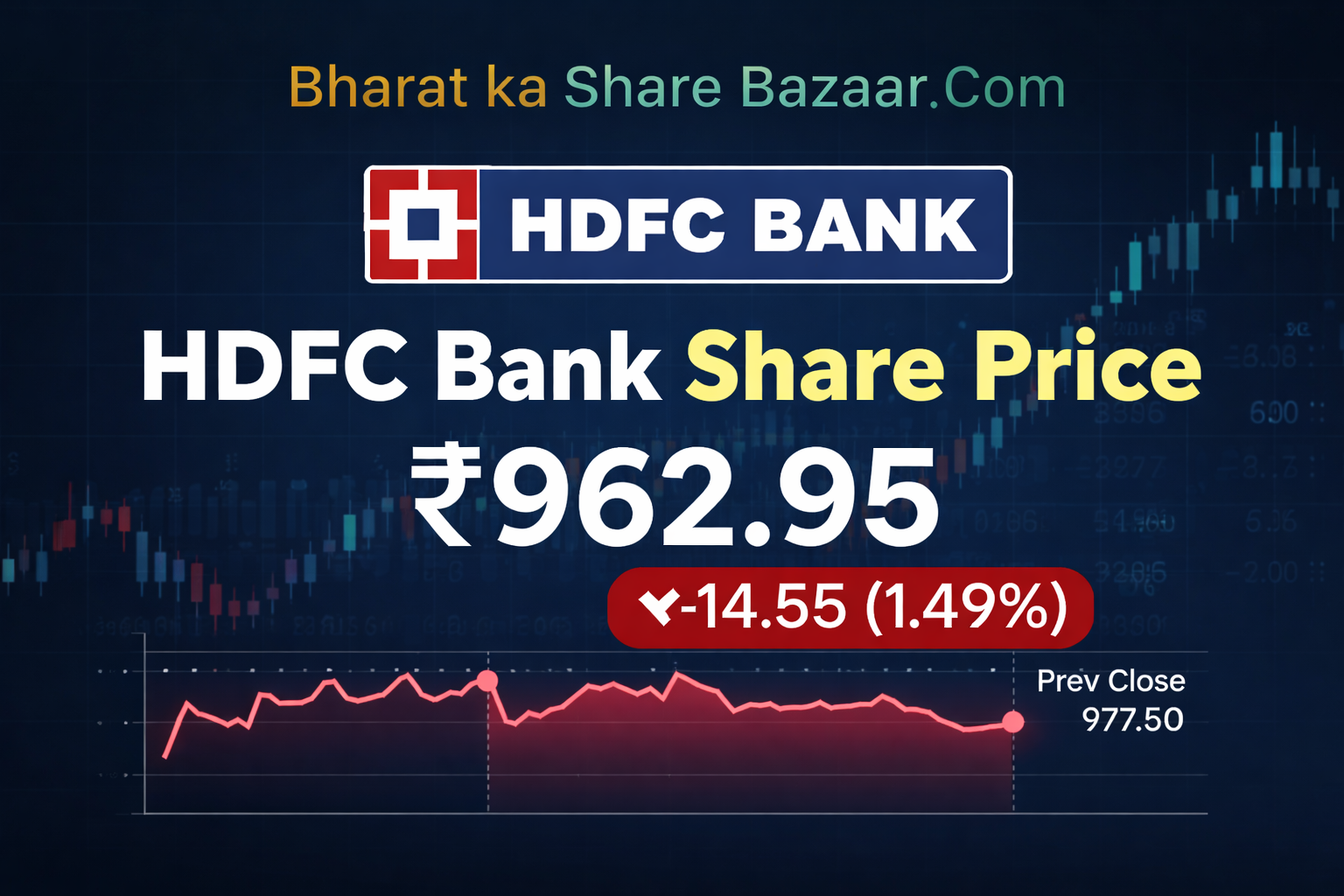
HDFC Bank Share Price Target 2030
HDFC Bank Ltd. (NSE: HDFCBANK) is India’s largest private sector bank by market capitalization and one of the most followed stocks in the Indian markets. The bank’s fundamentals, retail and corporate franchise, and strategic position in India’s financial ecosystem make it a core holding for many long-term investors. Analysts and market forecasters often project multi-year price targets to help investors gauge medium-to-long-term potential.
In this article, we look at analyst price targets, growth drivers, risks, and a reasoned projection of the share price by 2030.
Historical Performance
HDFC Bank’s share has historically been a strong performer, benefiting from:
- Consistent profit growth
- Strong loan book performance
- High asset quality compared to peers
- Efficient CASA (current and savings accounts) mix
In recent macroeconomic news, Indian banks are seeing improved regulatory environments and reduced systemic risk, which is broadly supportive of stock performance over the long term.
Key Growth Drivers to 2030
Successful realization of long-term price targets depends on several strategic and macro factors:
1. India’s Macroeconomic Growth
India is projected to remain one of the fastest-growing major economies through 2030, which drives the demand for credit, savings, and financial services — all core to bank profitability.
2. Strong Retail Banking Franchise
HDFC Bank’s focus on retail loans, credit cards, payments, and digital banking adoption enhances margins and customer base.
3. Merger Benefits
The merger with HDFC Ltd. has expanded cross-sell opportunities and deepened the bank’s retail footprint, which could support earnings growth and valuation multiples.
4. Regulatory Strengthening
Fitch and other rating agencies see Indian banks as structurally stronger due to regulatory reforms and improved oversight.
5. Strategic Stake in IndusInd Bank
Recent RBI approval allows HDFC Bank to expand its stake in IndusInd Bank up to 9.5%, strengthening strategic reach.
Risks & Headwinds
Not all forecasts assume smooth sailing. Key risks that can impact long-term share price include:
Global Economic Volatility
Recessions, geopolitical risks, or global credit tightening can slow lending growth and valuations.
Competition from Fintechs
The rise of digital competitors may pressure margins and customer acquisition costs.
Regulatory Changes
Future RBI norms — on liquidity ratios, capital costs, or provisioning — can affect profitability.
Asset Quality Concerns
Even with historically low NPAs, any deterioration in credit quality can spill over to stock performance.
Technical vs. Long-Term Views
Short-term technical setups sometimes differ from long-term fundamental forecasts. Community discussions highlight near-term resistance and pullbacks (e.g., around ₹1,020 levels according to some traders), but these don’t typically alter the fundamental long-term growth thesis. These are more trading views than long-term forecasts.
What This Means for Investors
If HDFC Bank continues executing well — maintaining asset quality, growing digital penetration, and benefiting from India’s economic expansion — long-term price targets around ₹3,500 to ₹4,500 by 2030 appear reasonable consensus scenarios.
However, actual market prices will depend on:
- Earnings growth vs. market valuation multiples
- Inflation and interest rate outlook
- Bank sector competitiveness
- Domestic and global economic conditions
HDFC Bank 2030 Price Target
Consensus Scenario (2030):
- Expected Range: ₹3,500 – ₹4,500 per share
- Bullish Potential: > ₹4,500 (if growth and profitability massively outpace expectations)
- Conservative Scenario: ₹3,000–₹3,500 (if growth moderates or macro conditions soften)
These are estimated financial forecasts — not guaranteed outcomes. They provide a framework to think about potential growth based on current data and assumptions.
Conclusion
HDFC Bank remains a flagship Indian bank with strong fundamentals and long-term growth prospects. Based on multiple forecast models, a 2030 share price target near ₹3,500–₹4,500 reflects both the bank’s potential and the broader trajectory of India’s financial sector growth.
Disclaimer: This article is for informational and educational purposes only and does not constitute financial advice. Always consult a qualified financial advisor before making investment decisions.